SOLAR RESEARCH AND DEVELOPMENT — Rutland, VT
Plug-in solar looks simple: a solar module or two, a small inverter, a plug. What trips people up is everything around it. Is it allowed where you live? Are the module and the microinverter compatible? How much sun does your spot really get? And maybe most importantly, does it make financial sense for you? Plug-in doesn’t mean just plug in: it still has to meet your electrical code. The good news: a few careful choices up front are what make balcony solar work for you, safely, and these tools walk you through them.
The tools below answer those questions in order. They run in your browser or your phone. Save it for later use or share it with friends. Print it out and give it to your local electrician for review. Most importantly, learn a little about PiPV!
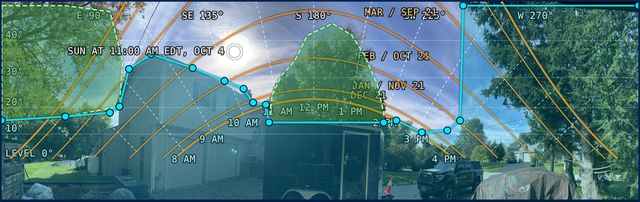
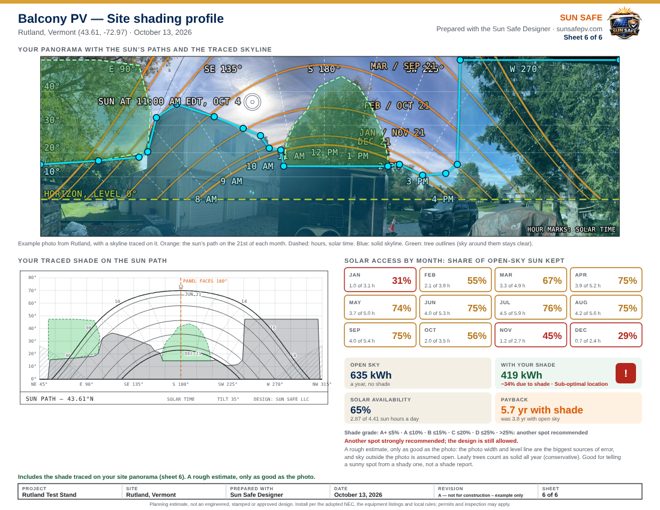
a panorama taken where the panel will go, with the middle of the sweep pointed the way the panel faces. Sweeping as if capturing the path of the sun will allow a Solar-Eye like overlay that can be applied to the sun path chart. This will allow the user to then trace the shade patterns to determine energy loss due to shade for their particular setup. If not selected the tool will default to a “no shade” analysis and give full unobstructed sun hours and energy harvest predictions for the given location.

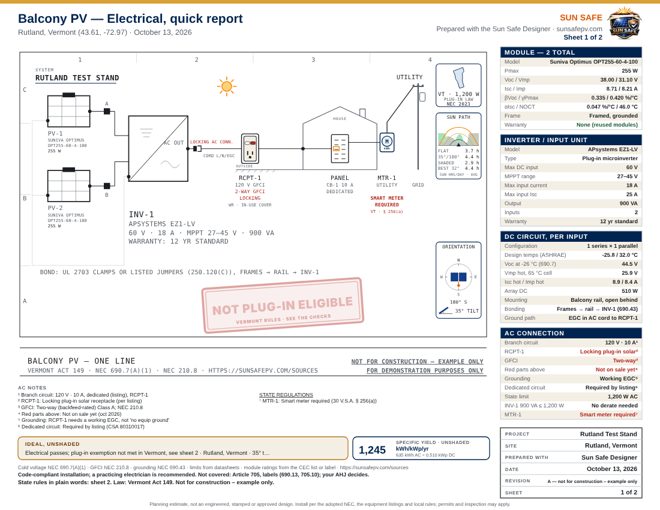
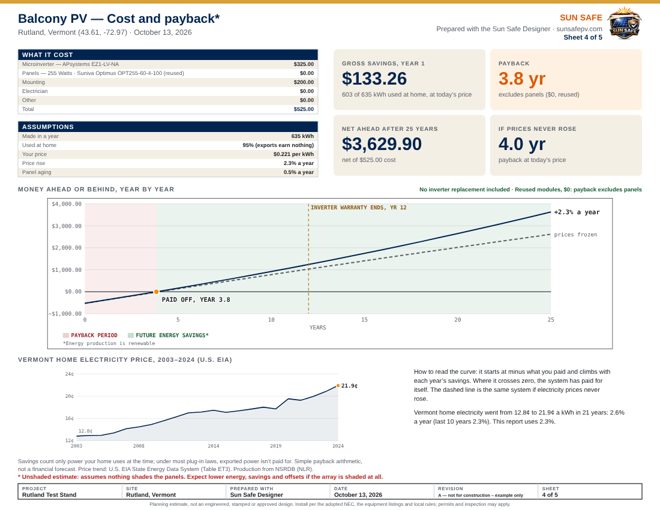
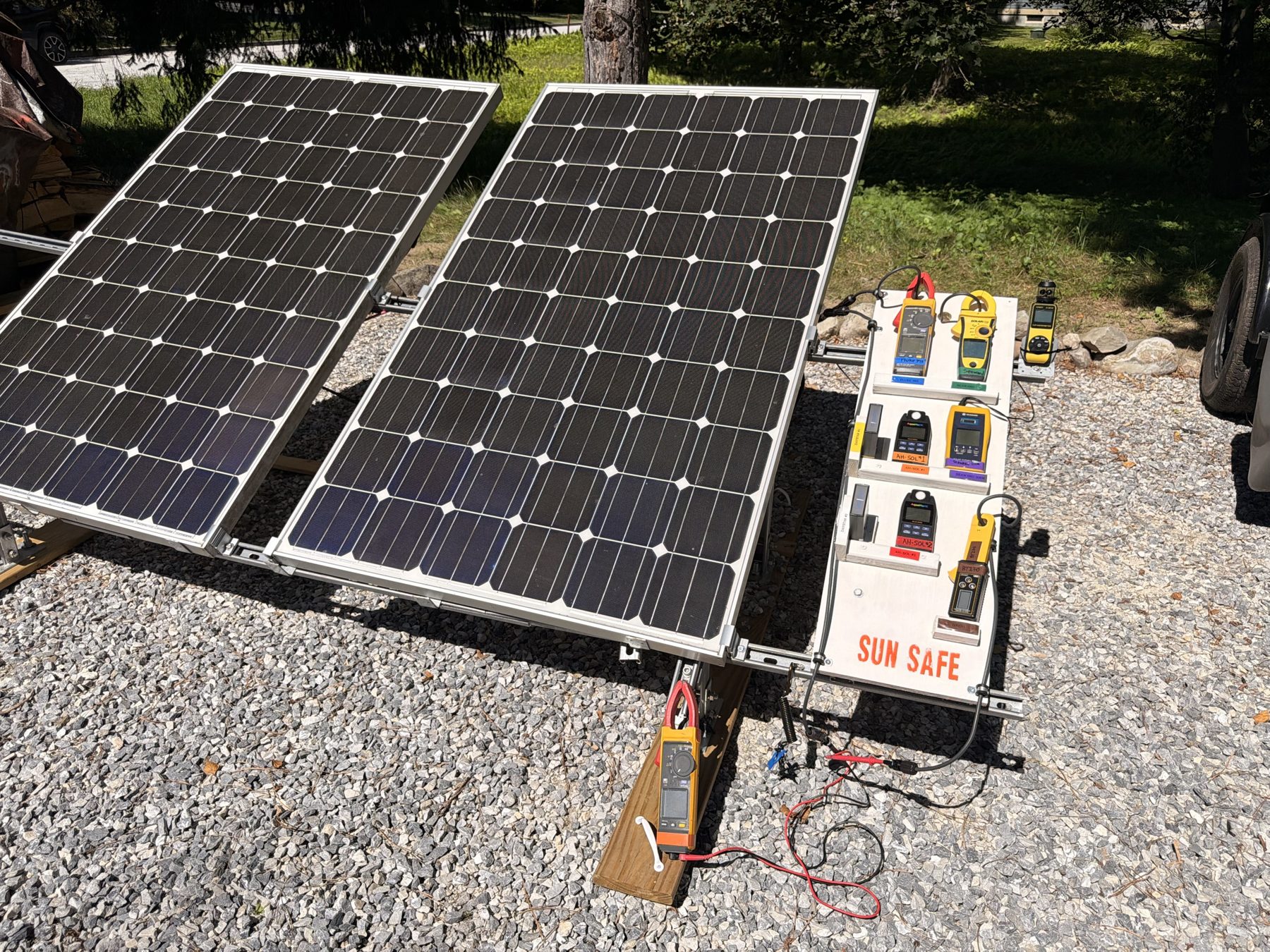
See a finished example: the Rutland test stand
2 pagesQuick report: diagram, checks, state rules and sun hours
5 pagesAdds sun, production, payback and offsets
6 pagesAdds the shading profile from a site photo
Tap one to open it. Every part is labeled with what it means.
Plug-in solar may be something an average person can and will set up. However, we still recommend having a practicing electrician install it or check it, and everything here is held to the electrical code. These tools help you plan and ask better questions. They don’t replace an electrician or your local inspector, and they can’t make an installation meet code. Where the rules aren’t settled yet, like UL 3700, the tools say so.
Plug-in photovoltaics (PiPV) are arriving fast, and balcony-solar laws are spreading from state to state. These free tools help you set it up safely.
Solar is about to be more accessible than ever, and that freedom still needs some checks and balances. My hope is to make it safer, easier to understand and easier to design.
All of this is free. It’s been field-tested by just one guy in Vermont, so some things will be wrong. Find something? Reach out and I’ll fix it. That’s how it will get better!